Do 1: Reading aloud as editing
“Do” is a new series on Fridays. Elsewhere in my Friday posts, I focus on ways of trying to stay creative and focused in a distracting world. “Do” is practical interventions for specific tasks. The first “Do” is about reading aloud and recording as a part of editing my writing.

One of the joys and pains of writing for academic publishing venues is that there is less editorial intervention – at least at the level of language and grammar – than in other contexts. This is nice for the freedom it offers to people who like to write in a specific way, but less nice if having a little support in polishing sentences is desired. This is how I sometimes end up being the last set of eyes on works I’m co-authoring with others.
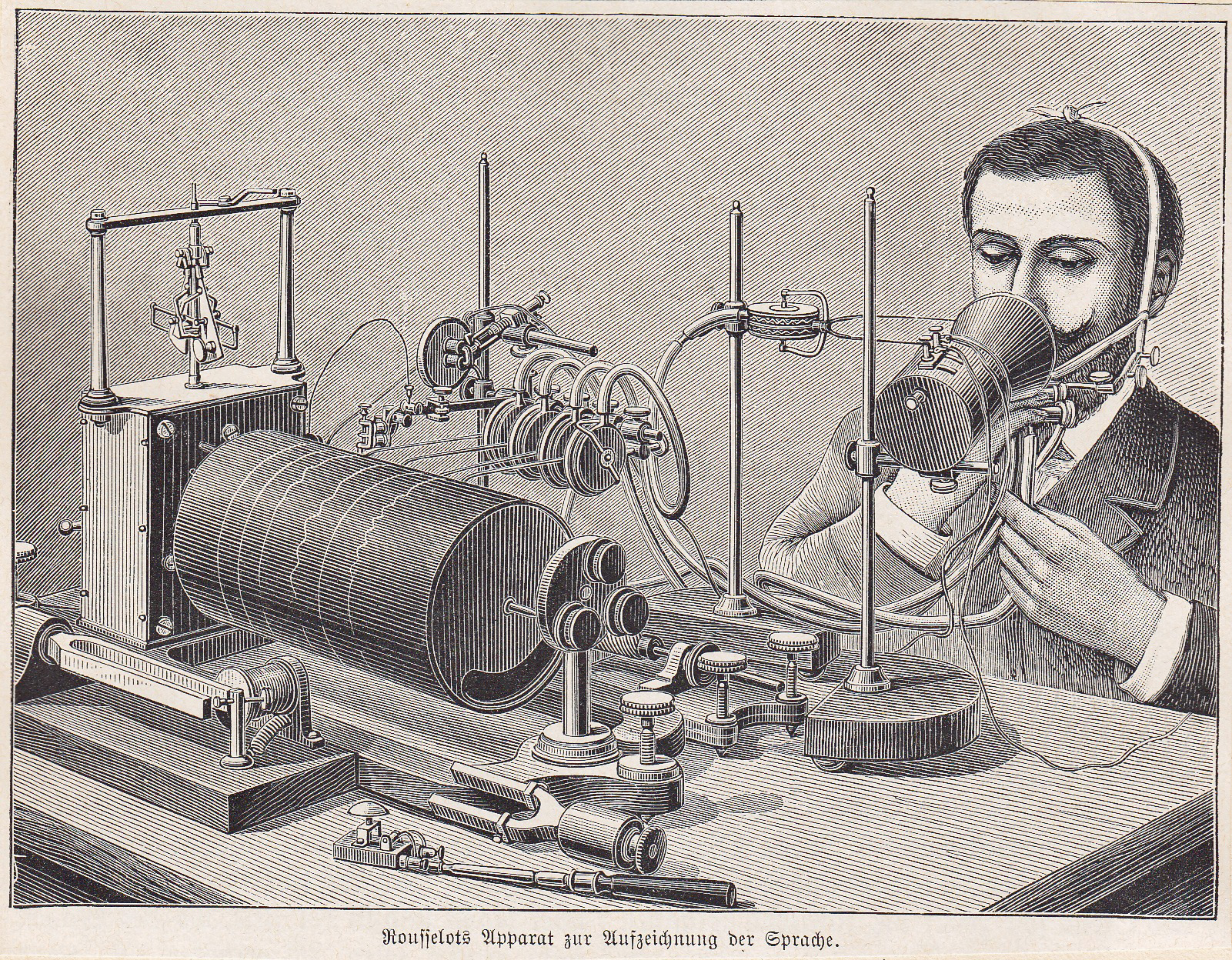
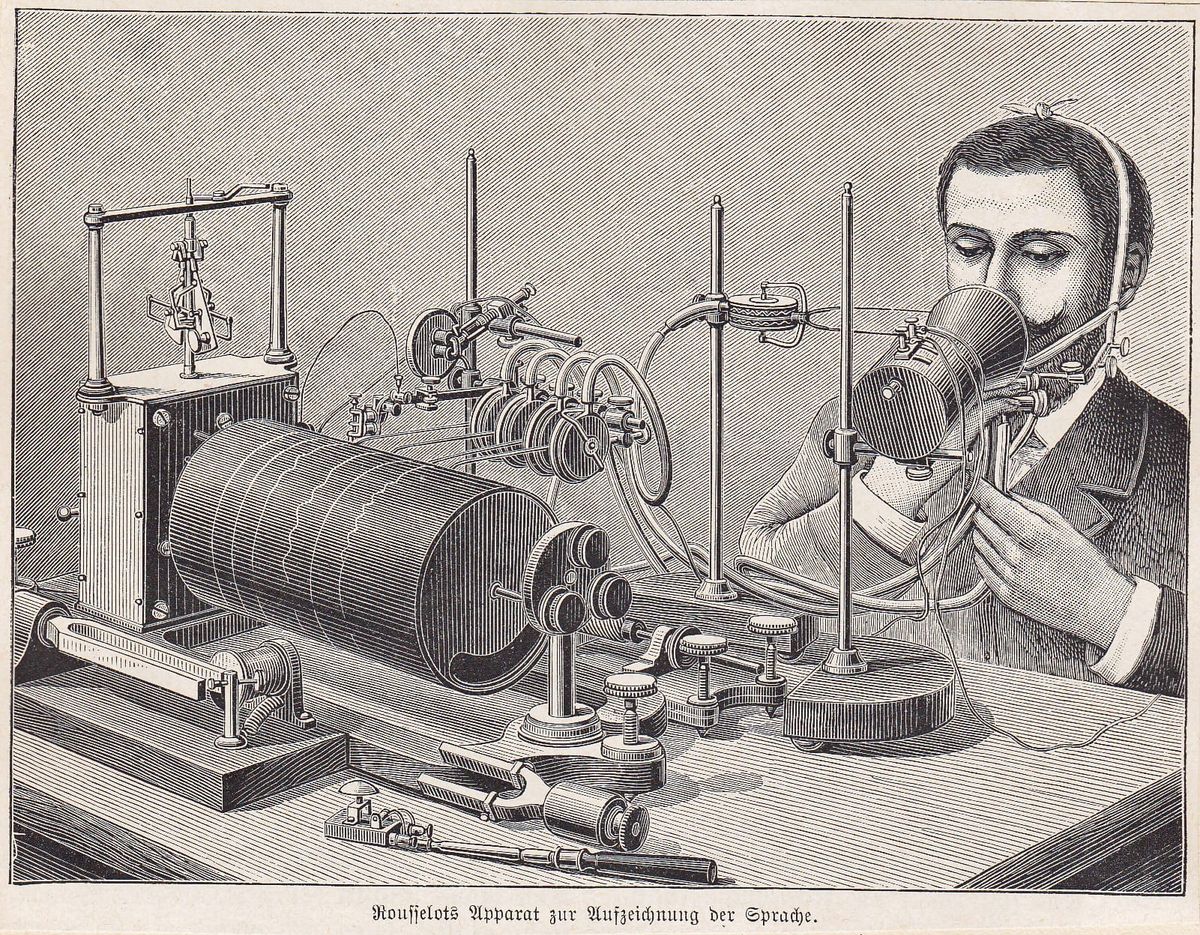
This year, with a particularly long and complex piece in-progress, I hit on a new strategy. After having gone through the same text in multiple versions, with multiple edits from myself and my colleagues in between, the whole thing became a blur. So I recorded it. I sat down with a microphone and read out the entire thing. During the process of reading it, I found issues that hadn’t previously been obvious – it’s easy to gloss over clunky structure when reading silently in your head, less so when trying to speak a sentence aloud. And when I then listened back to it, at about 70% speed, more necessary changes became obvious.
Don’t get me wrong, it was incredibly time-consuming. But editing is a time-consuming process anyway. For me, recording what I’m editing has become another arrow in my quiver, alongside more standard methods like editing on a hard copy, or reading backwards (first the last sentence, then the second-last one, and so on) to avoid getting caught in the meaning of a text, rather than the mechanics or word choices.
Recording that chapter I was working on was a wonderful un-sticker, refreshing a process that had become stale from repetition. I’ve done it again since, when stuck, and continue to find it a productive change from other editing methods.