
For work and for home
There has historically been a gap between the way we see industrial technologies and technologies of the home. As platform logics come to household appliances, that gap becomes more complex.

There has historically been a gap between the way we see industrial technologies and technologies of the home. As platform logics come to household appliances, that gap becomes more complex.
bookpile
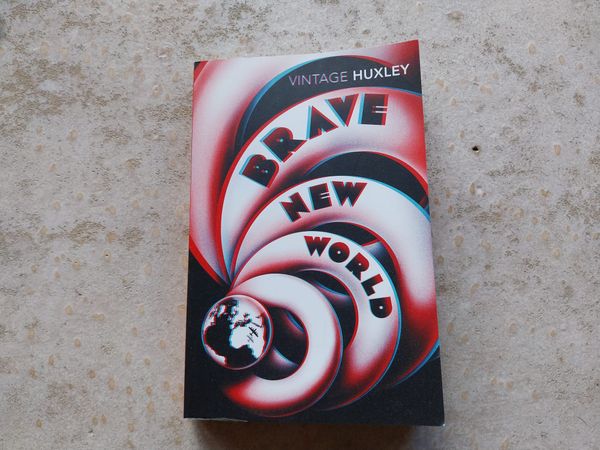
Bookpile is short posts (usually on Fridays) about what I’m reading now and what I’m liking about it. This week, it’s Brave New World, by Aldous Huxley.

participation
Despair, cynicism, and the feeling that we're powerless against inevitable change and upheaval are all real motivation killers. Here are three of my strategies for staying motivated in the face of cynicism.
bookpile
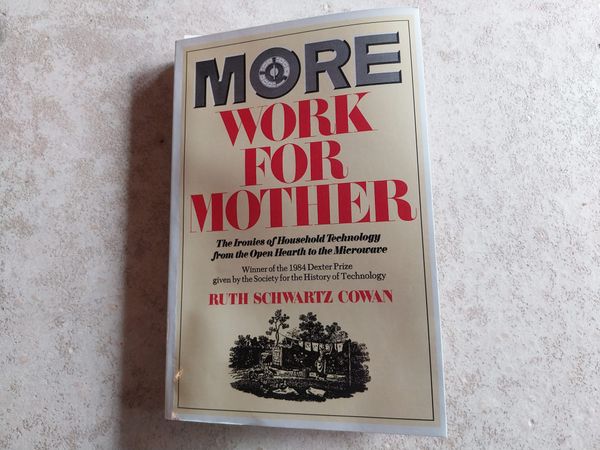
Bookpile is short posts (usually on Fridays) about what I’m reading now and what I’m liking about it. This week, it’s More Work for Mother, by Ruth Schwartz Cowan.
design
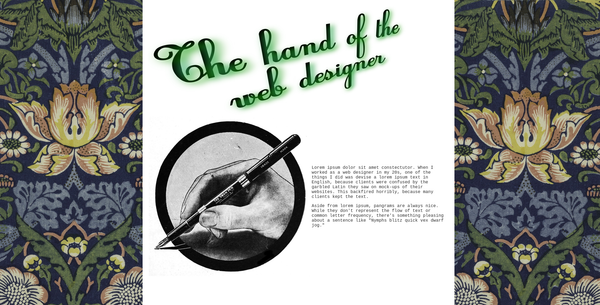
The humanity and individuality of the web designer becomes more important under automated production. The advent of consumer-facing large language models which spit out on-demand code brings web design squarely into the category of automated production. But I'd rather see an ugly website.
coping
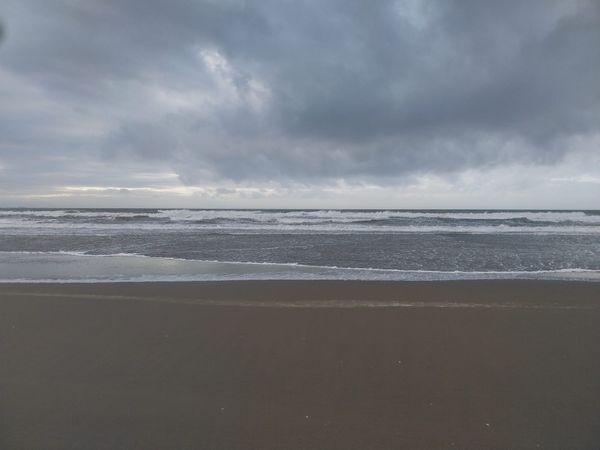
Coping is short posts (normally on Fridays) about coping methods for doing creative and focused things in an unfocused world. In Coping 15, the importance of being near (big) nature.
technology
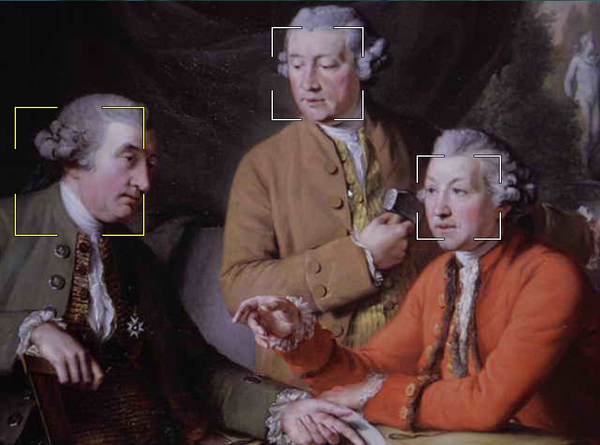
We make choices of varying degrees in the technologies we use, and the technologies that are used on us. I argue that it's especially important to think about potential harms in technologies which are required or unavoidable.
Critical technoscience, human readable

Coping is short posts (normally on Fridays) about coping methods for doing creative and focused things in an unfocused world. In Coping 14, the importance of specificity in productive dialogue.

If you take a cursory look around, you'll find robots programmed to perform human sports. From the RoboCup football tournament to promotional videos of industrial robot arms playing table tennis, why is the visual language of sport so important in promoting robotics?
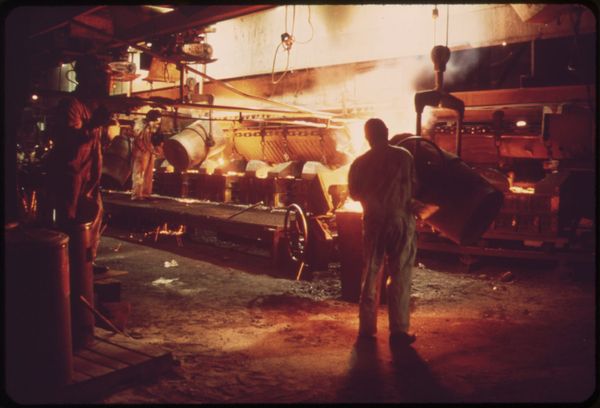
Fordism has permeated the way not just industrial manufacturing, but broad aspects of society are managed. And it's not all conveyor belts. What values underlying Fordism shape the way we look at technology and labour today?
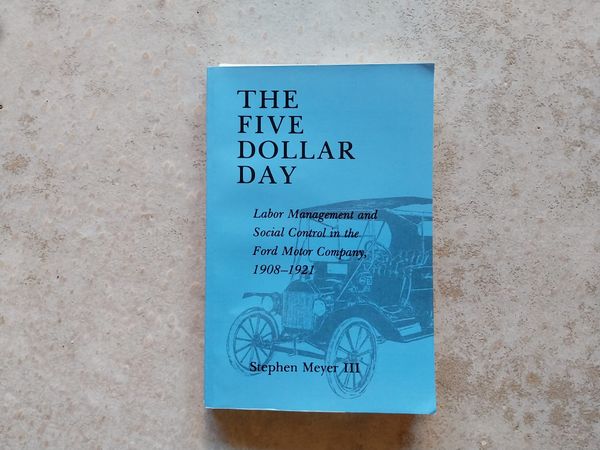
Bookpile is short posts on Fridays about what I’m reading now and what I’m liking about it. This week, it’s The Five Dollar Day, by Stephen Meyer III.
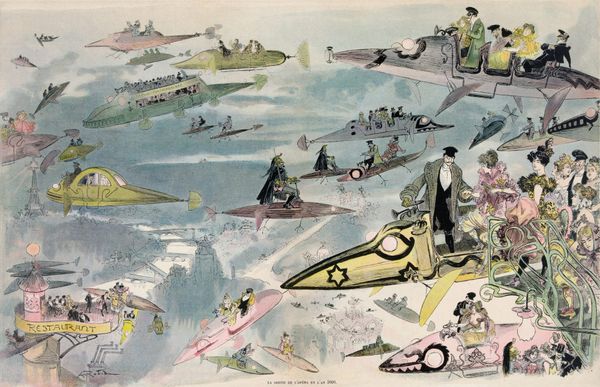
It's time to start dreaming again about technology with liberatory potential. The belief, that the outcomes of technological changes to society are inevitable needs to be challenged. Technology is not apolitical, and it's time to build technologies which mirror our values.

Many individuals, groups, and organizations valorize, normalize, and validate being too busy. Buying into the cult of busy, on both an individual and an organizational level, reinforces real problems. It's a systemic problem, but we can also try to subvert it and support each other.

Design for Dreaming showcases post-WWII conspicuous consumption at its most glamorous. What was Design for Dreaming, and how can we understand its relevance 70 years later?
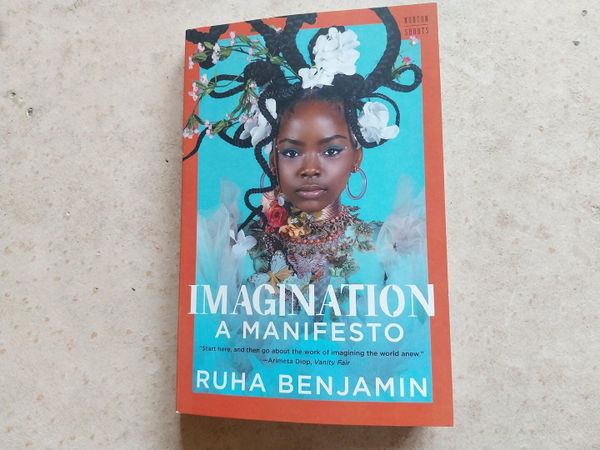
Bookpile is short posts on Fridays (though this time it's a Saturday) about what I’m reading now and what I’m liking about it. This week, it’s Imagination: A Manifesto, a call to action by Ruha Benjamin.
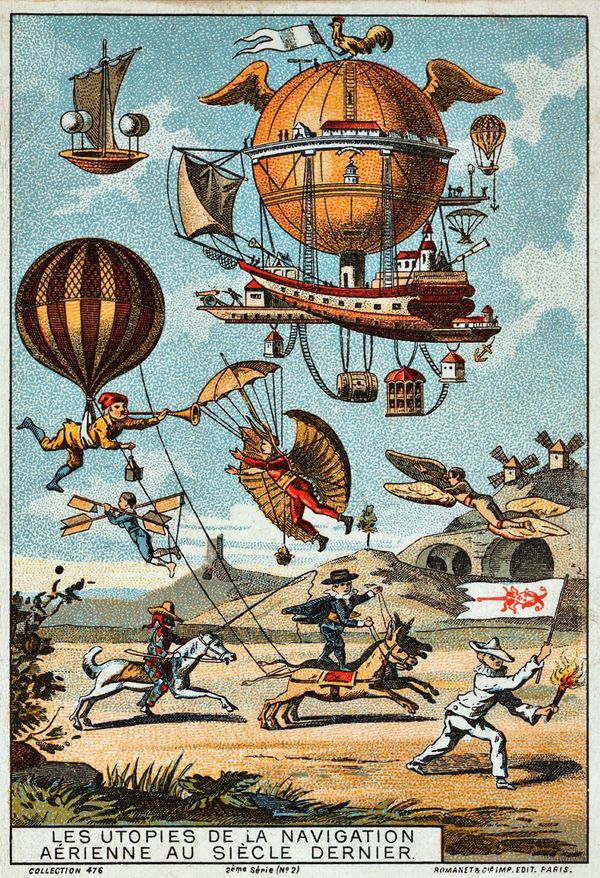
It’s far too easy to fall into the trap of reactivity, taking time to think about what isn’t good or desirable in the state of the world, without considering what would be desirable instead. For that reason, today I present to you, instead of an essay, a list of wants.
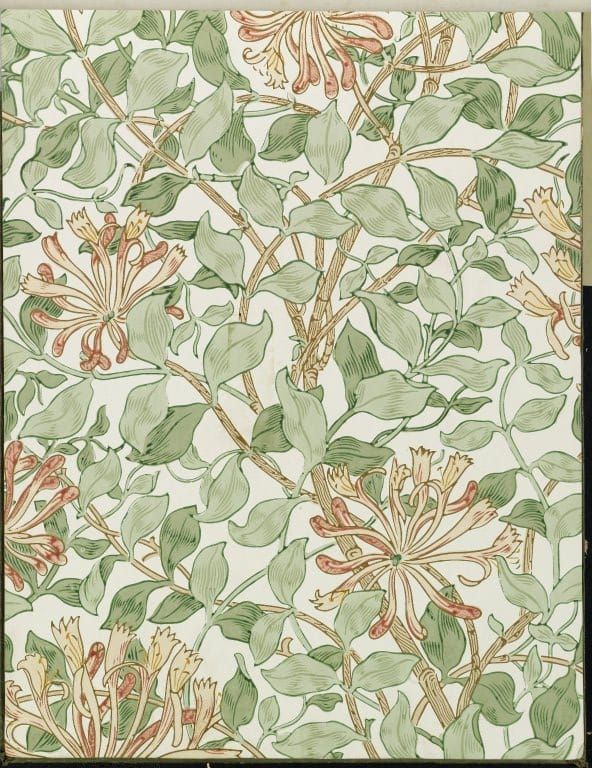
A long-running and only slightly imaginary side-project is a fictional design research company called Robeson and Morris. I like to say that Robeson and Morris was, in fact, the world’s first design research firm.
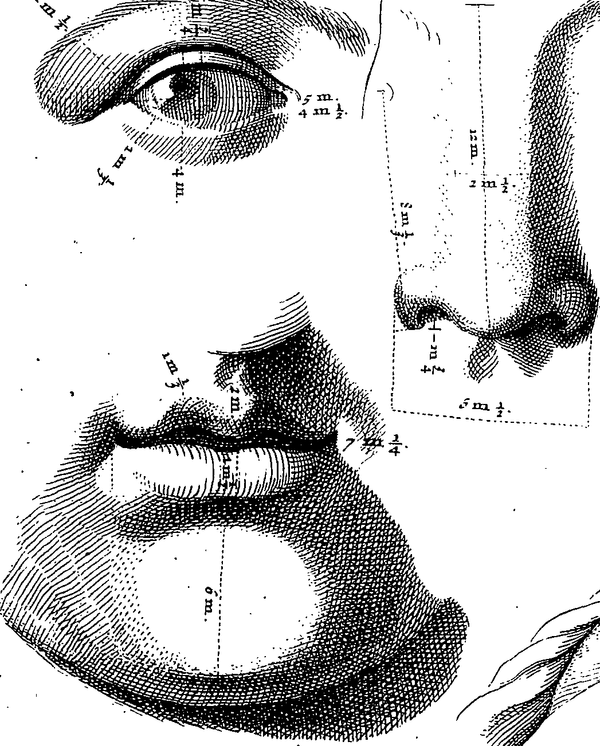
Quietly, we are all accumulating 4D digital doppelgängers, representations of ourselves in the data we leave behind when we have our actions measured and tracked. What's at stake, and how can we think about these traces?
Not so obvious will go on summer hiatus for four weeks. Before that, a quick recap of some highlights, full of fine links to click.