
Feels like home
The feeling of being at home is precious. Finding places and situations where it's possible to relax and trust that we have space to build things, space to make mistakes, and space to be ourselves is essential in a world going through a perpetual polycrisis.

In a few weeks, I’m going to an event I’ve attended on and off for the last seventeen years, or nineteen, if you count the first year when I went, felt baffled and alienated, and left after about an hour. The event, if you’re curious, is called Libre Graphics Meeting (LGM for short), and is a strange and wonderful few days of talks by and chats with people who care about Free/Libre and Open Source Software in the computer graphics space. While there are presentations, it's not a conference. It's deliberately called a meeting for a reason – it's about meeting and working with people who, given the distributed nature of F/LOSS, you might otherwise only encounter online. In thinking about this upcoming edition of LGM, the feelings I have are anticipation, excitement, a sort of warm fuzziness, and low-key delight that I’ll get to see friends I see far too infrequently. Even though it happens in a different city and different venue almost every year, going to LGM feels like going home. That’s what this essay is about: that feeling of home, where it comes from and how it develops, why it’s especially important now, and why there’s value in the feeling of home coming from complicated circumstances.
I’m going to stick with LGM for a minute before generalizing back out. Bear with me. I started attending LGM when I was very young – I was half-way through my undergraduate degree in the ill-fated year that I attended and very briskly left. It was in Montreal that year, and I was in Montreal, so it was easy to speculatively turn up when I saw it advertised on the website of one of the participating software projects. In the last almost twenty years, I’ve grown up a lot, and am much better at being in rooms full of scary software developers. Importantly, LGM has also grown up a lot. If I’m being sentimental, LGM and I have grown up together. There have been some shaky times, times that felt very good and times that felt very bad. Practices and politics in F/LOSS have changed a lot in these two decades, and some things are much safer and better, while some things are worse. I can proudly look back on helping to develop LGM’s code of conduct back in 2014, in the early days of CoCs in F/LOSS projects. And I remember trying to figure out the nuts and bolts of implementing it the next year at LGM Toronto, for which I was the local organizer. After all of these years of involvement with LGM and its people, the reason I feel so fondly towards it is the complexity. Over almost two decades, it hasn’t been unambiguously good, but what in life is? It’s given me ideas, passions, opportunities, and friendships – even if I’m sometimes pretty poor at doing maintenance outside of the once-a-year sightings of people I love to see.
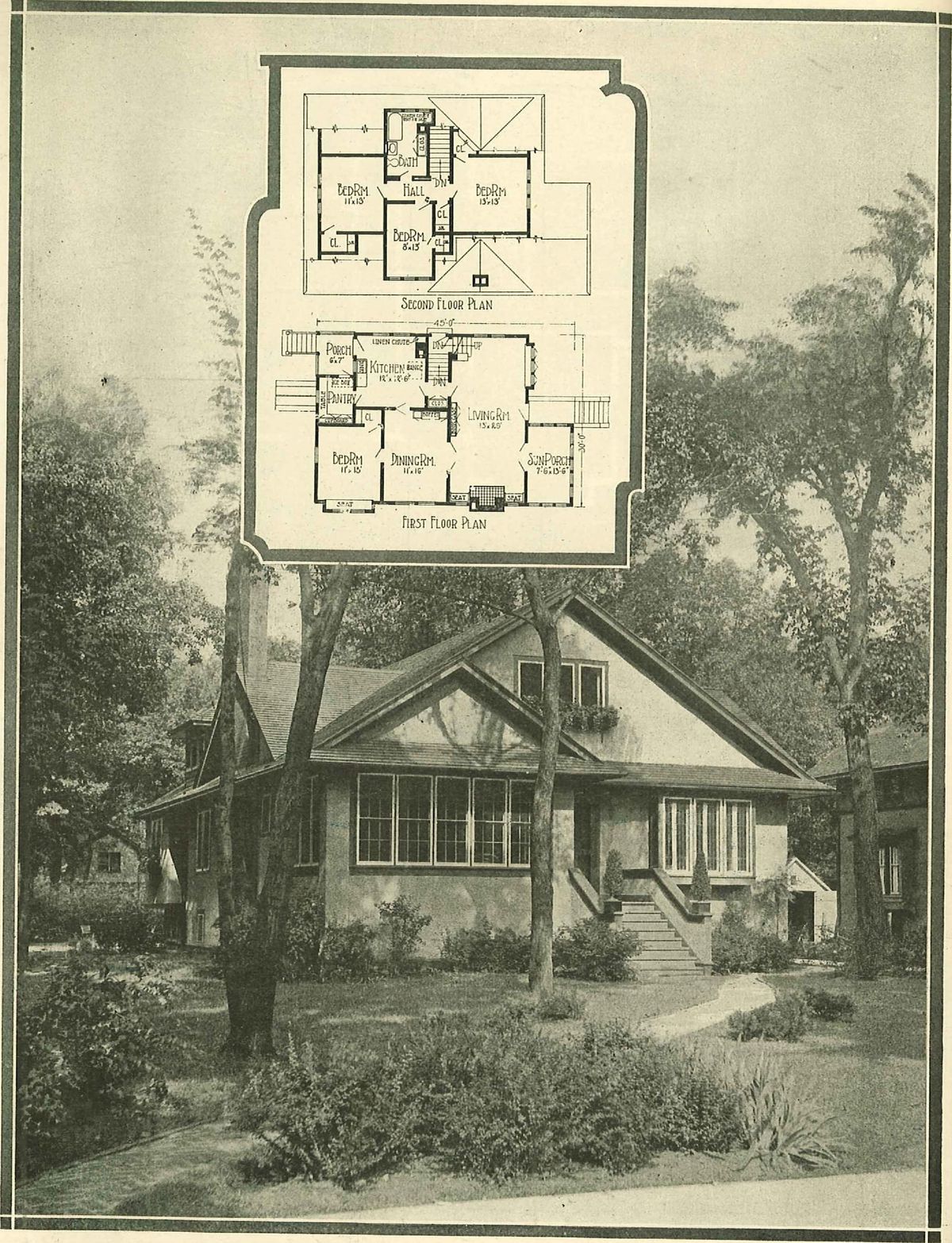
LGM is a place that feels like home to me. Home is not an uncomplicated thing, but it is a precious one. Let’s untangle that “home” metaphor for a second. Home is a place where we want to feel safe, comfortable, and able to be ourselves. We move into a new house and don’t find it to be home yet, until we’ve done certain things or been there for a certain period of time. There are conditions on the feeling of home, and if we’re unlucky, we can find ourselves living in places that don’t feel like home. Home has a degree of resilience to it, and the longevity to be able to believe that if something bad happens, there will be time enough for it to feel better again. We build the feeling of home over time, through our actions, through feeling we can have an effect on our surroundings, through habitude, and through the mundane things we do in the places that become our homes. Home happens through process and time. It does not happen all in one go, or easily. Home requires negotiation sometimes. But the pay-off of that negotiation is, hopefully, a feeling of safety and acceptance. Home comes with the belief that even if things are not okay now, they will be okay eventually, if we put some work in.
We build home and homes around ourselves. Maybe this isn’t the case for everyone, but for me, though there are many places I feel comfortable right away, there are no places that feel completely like home at first visit. With effort, though, many places, people, and situations can come to feel like home. And this is important for two reasons. First, it’s important to have things that do feel like home. Without some things in life that feel secure, safe, and lasting, we’re at sea. Even if it’s only the capacity to feel at-home in yourself, something needs to feel like a refuge where a little work and a little time will make things okay. The perpetual polycrisis we’re currently living in on a global level means that being able to cultivate at least some sense of home is essential for day-to-day survival. So many different bad things are happening at once, each one incomprehensible and overwhelming, it becomes critical to find a feeling of safety where it’s available.
The second important thing about finding the places, people, and things where effort leads to safety is the process. As I argued earlier, home is not something ready-made, but instead something that develops over time. We build safety and resilience, by experiencing continuity between the bad and the good. The relationships that feel like home are not the ones that have just always been fine, but the ones where not-fine can happen, and can be negotiated. The knowledge that negotiation and repair can happen is important, because it allows a feeling of greater safety and freedom: if continuity and patience make room to fix things, we can show more of ourselves, be more vulnerable, be more open, and still believe that we will ultimately be safe. The recognition that home is a process of negotiation makes it a project rather than something already-there that we can just slip into. We build home ourselves and with others.
The world is shit, the news cycle is overwhelming, it feels like the capacity to care is finite, and finding the places that give us strength is increasingly important. We may go looking for those places and not see them because we’re looking for something easy. We may be looking for something that fits immediately, and offers no friction, challenge, or room for growth – a perfect shell for right now. The feeling of home matters in hard times far more than in easy ones. Places that feel safe to grow in, safe to mess up in, and safe to be in through both the difficult and the easy are essential when the world seems to have a never-ending supply of horrors to serve up. We need to find home where we can, but most importantly, we need to make it with others, through the work we do, the patience we have, and through coming back and trying again.


_(14576601999).jpg)