Friday bonus: The Compost heap
For most of my working life, a habit in my writing practice has been to keep a document where I can store sentences and ideas that need to be taken out of the main text. It's like Limbo, but for writing. For years, I called it a graveyard, but I now call it a compost heap. This is why.

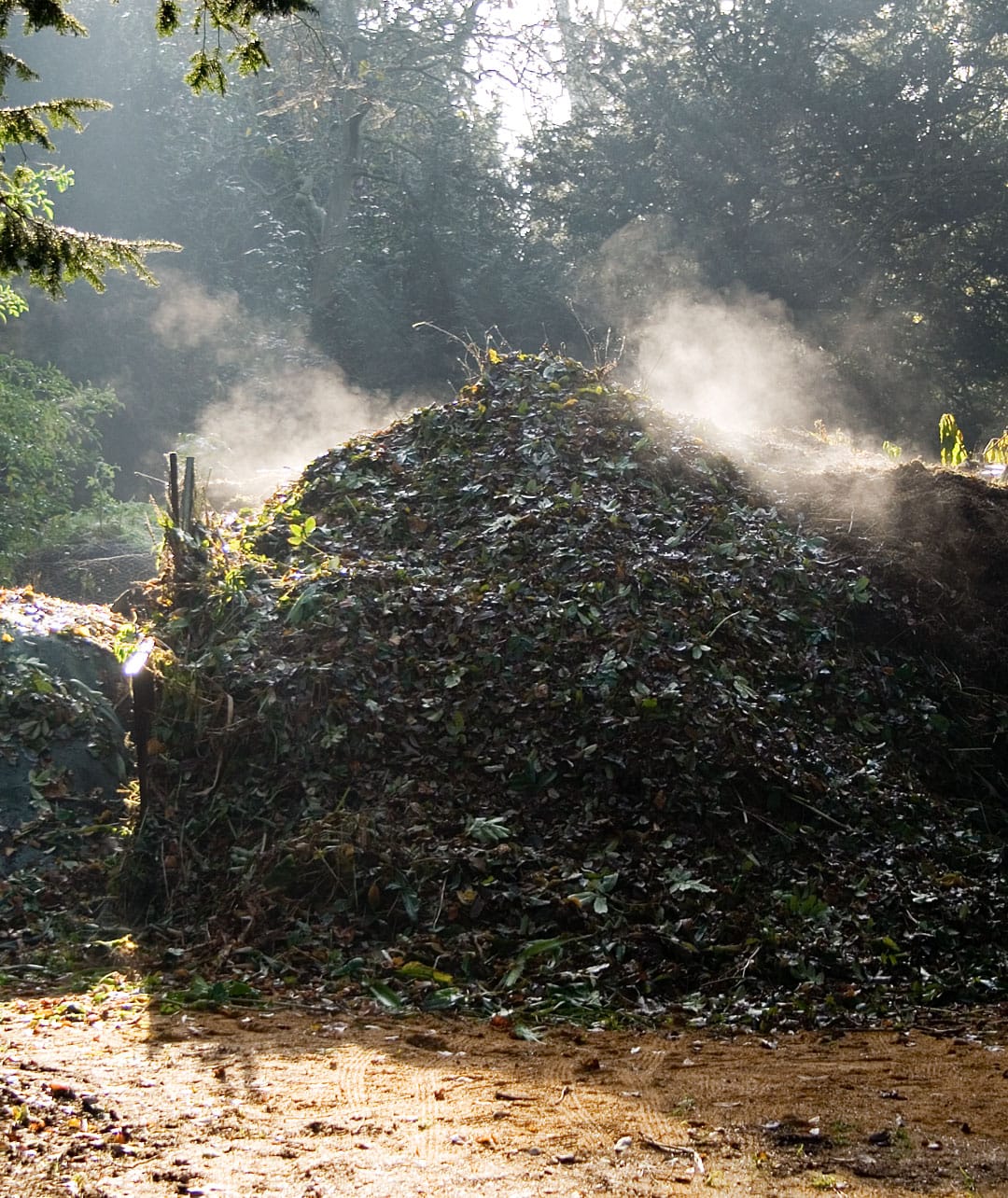
Many years ago, a professor for whom I worked as a teaching assistant was lecturing to a class of students in a first-year undergraduate writing class. She talked about how, when she was writing, she'd keep a separate document handy to put things she was going to delete from the text, just in case, and to make it easier to remove a sentence or idea here and there without worrying about it being gone for ever. I adopted this habit, and have been using it ever since. For the better part of a decade, I referred to it as my graveyard. If you're familiar with the concept of killing one's darlings in writing (and if you're not: sometimes, you have to take out the things you like best, for the good of the text as a whole), then the idea of a graveyard where little bits and pieces go to die might make a dark kind of sense. It did to me when I was mostly writing alone.
Maybe five years ago, I started a very productive and pleasant writing partnership with a couple of colleagues. Everything we do together, I like and feel proud of. In this particular partnership, the three of us come from three different disciplines, meaning that we always over-write, and always cut a lot, as we try to find the space where the three of us meet. When we were writing together for the first time, I introduced them to my graveyard. This partnership of many discarded ideas seemed like the ideal place to implement a graveyard document for keeping the things we love, but that don't quite fit in the current version of the text.
They recoiled! "Why is it a graveyard?" Such a dark idea, making a place for words to die. I don't remember who suggested it, but we kept the habit and gave it a new name: it became the compost heap. Instead of having a document full of dead words, we would have a document with half-decomposed words, perhaps, but words that could still provide food for the things we were growing together.