Friday bonus: Thoughts on pigeons and plurality
It's easy to forget the plurality of opinions that exist on even small topics. Thinking about the role of pigeons in cities has helped remind me that differing opinions exist even in the smallest nuances.

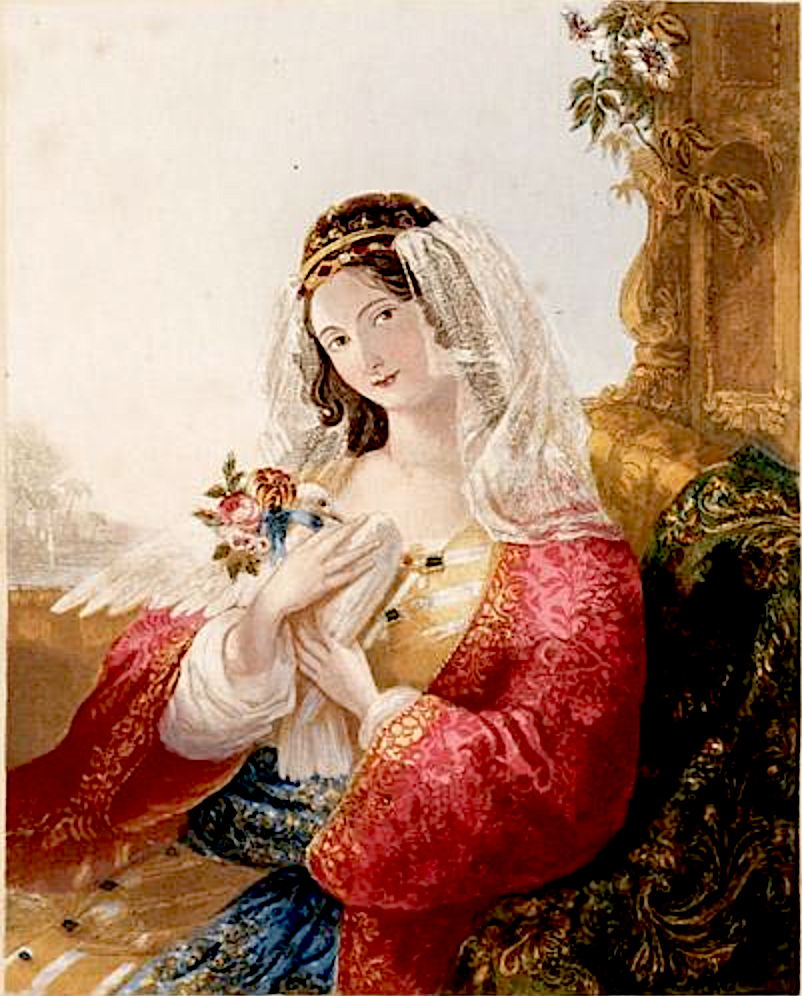
I've been thinking about birds a lot lately. For work. I'm working on a project which attempts to bring the voice of nature to the table in urban decision-making processes. One idea we're pursuing is bringing the needs/desires/attitudes of pigeons into dialogue with the multi-party groups that make decisions in cities. What would a pigeon say to the people who are making decisions about its habitat?
In thinking about pigeons, I've also been talking with others about pigeons. I'm starting from the position that pigeons are our neighbours, birds who live in our cities and have a right to be here. The conversations I'm having make me remember that this is not necessarily the dominant idea of urban pigeons. Any number of people I've either chatted with, or who have attended workshops and meetings on the pigeon project have expressed the feeling that pigeons aren't good neighbours to have. They make a mess, they're irritating, they're nuisance animals.
This difference in feeling makes me realize (again – this is a thing I'm always realizing, in different contexts and with different ideas) how easy it is to forget the plurality of attitudes people hold. I think it's easier to remember plurality in cases where differences of opinion are top-of-mind. We recently had municipal elections in Rotterdam (the whole country, but obviously my biggest interest is the elections in my own city), and the change in the composition of city council from quite right, to slightly more left makes the existence of political differences very obvious. But the little things that don't get as much press are so much easier to forget.
Attitudes about pigeons are a nice "in" to that sort of difference. In a room full of other people more or less "like me" in the sense that the other parties probably hold more or less similar values and likely vote more or less alike, the question of the pigeon creates divergence. Gross, diseased, a hassle, messes up your roof/garden/car. The pigeon, it turns out, is divisive. What amazes me is that I'd gone so effortlessly and deeply into accepting the pigeon that I found myself surprised by the divergence. It's a brilliant trick of my own attitudes and adaptation that learning to love pigeons made me assume that others would feel the same way, and an excellent reminder how easy it is to fall into that kind of thinking.