Friday bonus: What's so wrong with pigeons
As I continue to work on a project about urban pigeons, I've been struggling with the human-pigeon relationship. More than anything else, I've been wondering: what is it that humans find so wrong with pigeons?

The project that has led me to think more about pigeons continues. Though it is running alongside other things, it means that pigeons are now almost always in the back of my mind. I am thinking about pigeons, looking at them more, and mulling on the relationship urban humans have with them. My thoughts are still half-baked, and the project is still in its early stages, but I've been beginning to try to articulate some of what's coming up in the process. More than anything else, I've been wondering: what is it that humans find so wrong with pigeons?
What’s so wrong with pigeons? Rats with wings, don’t touch them, they’ll make you ill. What’s wrong with us, talking about them that way? Kill, sterilize, take their eggs and replace them with dummies that’ll never hatch. I did a vote-choice helper for the municipal election that took place here a couple months ago, and one of the questions was about nuisance animals. Should we control them without killing them? No question of whether they should be controlled, only a question of whether or not it should involve their death.
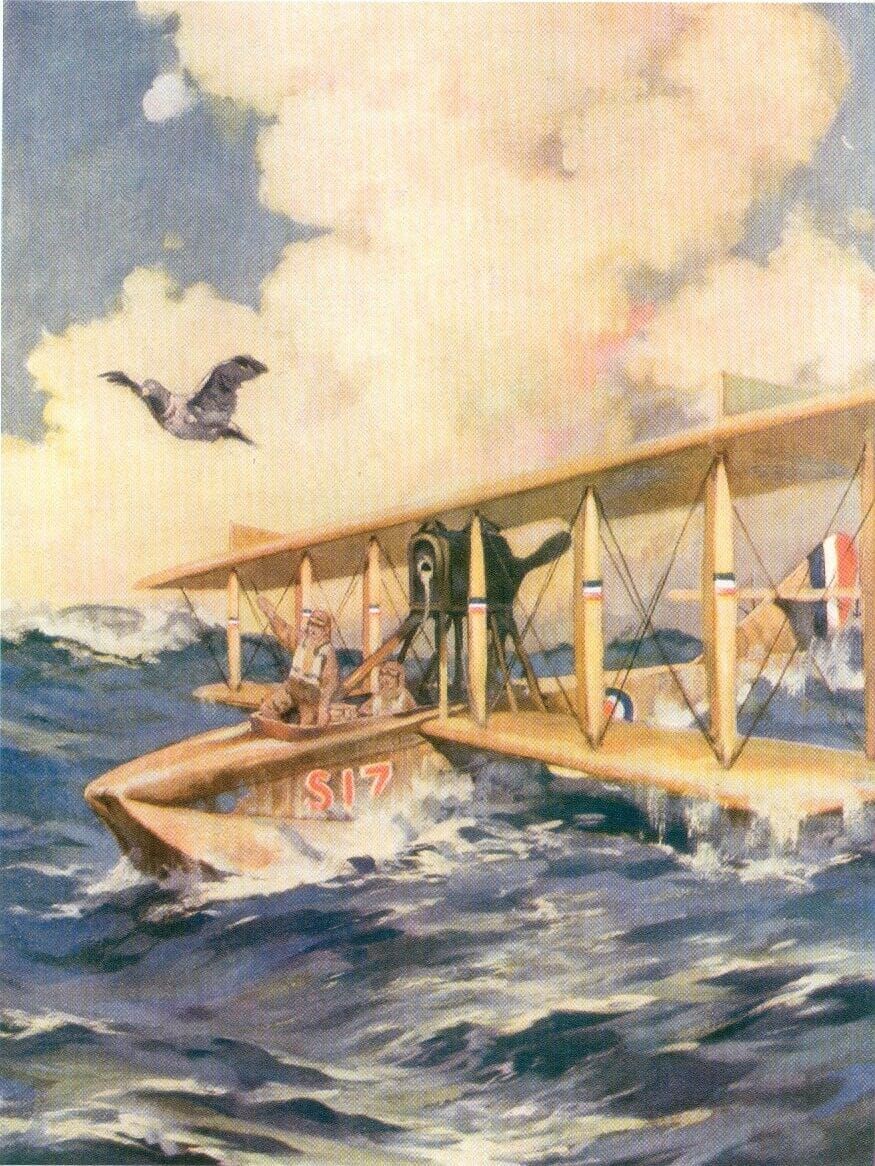
What’s so wrong with pigeons? The pigeons living in our cities are of our making. They have been with us and used by us for thousands of years . We have cohabited with them, we have eaten them, we have kept them as pets and messengers and even photographers. Their services have been essential in wars, and monuments bear witness to that fact. But then. Their task as messengers is superseded by new technologies. Their keeping in cities is curtailed by densification, modernization, and new municipal rules. They don’t, as a species, die or go away. They stay with us, in our cities, eating our scraps and pockmarking our masonry with their acidic excretions. They no longer contribute to our national security, our economy, or our social lives. Pigeon racing still exists (and is that even nice for the pigeons, anyway, or yet another thing we ask of them?), but is far removed from the feral pigeons inhabiting cities, demoted to the role of pest.
What’s so wrong with pigeons? We made them and then abandoned them. We bred them and domesticated them. We loved them and we sacrificed them. We let them loose, we gave up on them, we forgot our relationship with them, and now we see them on the other side of the ledger, costing us, bothering us.
What do we owe to pigeons? Pigeons are not gulls, not corvids, not wild animals living opportunistically alongside us. Instead, they are with us because we abandoned them, kicked them out of their dovecotes, replaced them with other things. Yes, things. As if troupes of feral horses started roaming the streets after the invention of the automobile, because we’d found them unnecessary, booted them out the stable doors, and they’d somehow survived. Pigeons have survived our neglect and our hostility, continuing to live alongside us with a staggering degree of equanimity.
What kind of life do we owe to pigeons? Not the life they have, for a start.